The Office of the High Commissioner for Human Rights published Georgia's fifth periodic report on its adherence to the International Covenant on Civil and Political Rights, a human rights treaty (OHCHR). The study recognised favourably the Georgian authorities' efforts to secure respect for human rights in the occupied territories of Abkhazia and Tskhinvali region/South Ossetia, even though these regions are not really under Georgian government authority.
On the other hand, they expressed concern that the residents do not enjoy the same level of covenant protection as their counterparts in Georgia. The Committee remained concerned about the challenges faced by people living in occupied regions, including violations of their rights to life, liberty, and security, freedom of movement and additional challenges in the context of the COVID-19 pandemic, while praising the Georgian government's "A Step Towards a Better Future" peace initiative.
While the Committee approved of the Public Defender's Office's increased budget and the progress achieved in putting its recommendations into practice, it was dissatisfied with the poor rates of implementation of such suggestions by public and private actors. The study says that the government must make sure that both public and private actors carry out the Public Defender's suggestions.
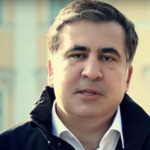
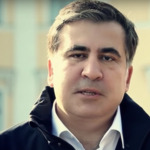
The study notes that the country passed the Conflict of Interest and Corruption in Public Service Law and established the Anti-Corruption Council in 2015, but expresses concern over the persistence of corruption and bribery allegations with impunity. Despite certain advancements, the Committee stated that the judiciary continues to lack independence and impartiality. In addition, it refuted allegations of politically motivated arrests and trials, specifically in the cases of Nika Melia, the leader of the opposition United National Movement, former commissioners for the delimitation and demarcation of Georgia and Azerbaijan, and the imprisoned Mikheil Saakashvili.
It was particularly concerned about the Operative Technical Agency's lack of independence from the Georgian State Security Service and the delegation of regulatory and monitoring authority to the organisation, which conducts electronic surveillance. It states that the current operational supervision system is ineffective. The Committee is concerned about heightened media polarisation and excessive government pressure on the media through administrative, financial, and judicial means, such as the change in ownership or management of critical media outlets and the initiation of criminal proceedings against media outlets and workers. In addition, while investigating allegations of mistreatment or torture by law enforcement personnel, the Criminal Code's frequent use of provisions related to exceeding official authority instead of those prohibiting torture and cruel treatment was criticised.
Concerning gender equality, the report noted the establishment of the Inter-agency Commission on Gender Equality, Violence Against Women, and Domestic Violence, as well as the increased representation of women in Parliament, but remained concerned about the continued underrepresentation of women, especially from vulnerable groups, in decision-making positions at all levels of public life. Moreover, the report highlighted the unfortunate circumstances of underreporting of cases, particularly cases of sexual violence, low rates of prosecution and conviction for these crimes,and inadequate protection and support services, including psychological services, for victims.