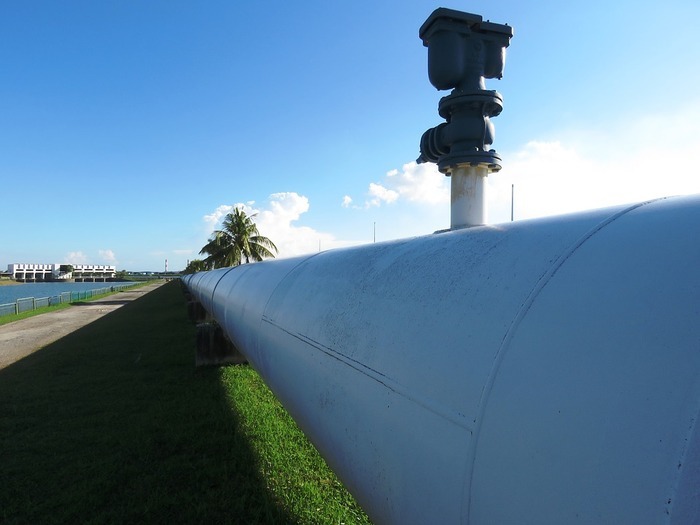
The Greece-Bulgaria Interconnector (IGB), which provides for the transportation of Azerbaijani gas to the Bulgarian market, will play a key role in achieving Sofia's goals of diversifying energy sources and ensuring its energy security. Bulgarian Energy Minister Alexander Nikolov shared this confidence in an interview. According to him, this interconnector is "a key project for the energy security of Bulgaria and the entire region of South-Eastern Europe."
"Despite a serious delay in the implementation of the interconnector project, the (Bulgarian) government has taken active steps in recent months to put the gas pipeline into operation, which will make it possible to supply gas from different regions through it. Today, the gas pipeline project is at the final stage of implementation. Hydrotesting of the entire pipeline has been completed. It has been connected to the Trans-Adriatic Gas Pipeline (TAP), and the construction of a dispatch center in Haskovo has been completed,” Nikolov said.
The Minister noted that the installation and testing of measurement and control systems along the entire IGB route is currently underway. “The progress of the project in recent months gives us grounds for optimism that the construction of the interconnector will be physically completed by the middle of the year, as indicated in the latest updated project schedule. At the same time, we strive to optimize the timing of the necessary administrative procedures for obtaining various licenses and permits to start commercial operation of the facility as soon as possible,” he added.
Nikolov further stressed that Azerbaijan is a strategic partner for Bulgaria in its efforts to ensure energy security and independence. “Our countries have established strong economic cooperation, in which the energy sector is of great importance. Interruptions in gas supplies from Gazprom have made it a priority to look for alternative solutions, and supplies from Azerbaijan are of decisive importance here,” the source said.
The Minister recalled that Bulgaria signed a contract to purchase one billion cubic meters of gas annually from Azerbaijan. However, these volumes have not yet been fully delivered. “In the context of the supply crisis, the government held accelerated negotiations with our Azerbaijani partners on purchasing additional volumes. The fruitful dialogue between our countries gives me grounds for optimism that Bulgaria will receive the agreed volumes from the beginning of July. In the future, these volumes can be increased," the head of the department said.
Bulgaria is one of the countries most dependent on Russian energy resources in the EU. Before the conflict in Ukraine, more than 90 percent of the eastern European country's gas supplies came from a single source: Russia. In this regard, the Bulgarian Minister noted: "Although some governments in recent years have announced active work to diversify energy sources, military actions and the suspension of supplies by Gazprom have highlighted the real situation."