The idea of Turkic unity is normal for Turkish politicians, Dmitry Peskov commented on the map of the "Turkic world" presented by the Turkish Nationalist Movement Party with the southern regions of Russia, calling Altai the centre of the Turkic world.
The leader of the Turkish parliamentary party of the nationalist movement Devlet Bahcheli presented the "Turkic World" drawing to the President of Turkey Recep Erdogan. According to the map, the "Turkic world" included the southern regions of Russia: Kuban, Rostov region, and the republics of the North Caucasus.
Bahcheli published a joint photo with the President of Turkey and a map of the "Turkic World" on November 17 on his party's Facebook page. The photo was taken at the presidential palace, the publication said.
Press Secretary of the Russian President Dmitry Peskov commented on the map of the "Turkic World," which includes Russian regions. "Our Turkish partners foster the idea of Turkic unity, this is normal. The only thing I can regret is that there is still no big red star in the centre of the Turkic world on the map."
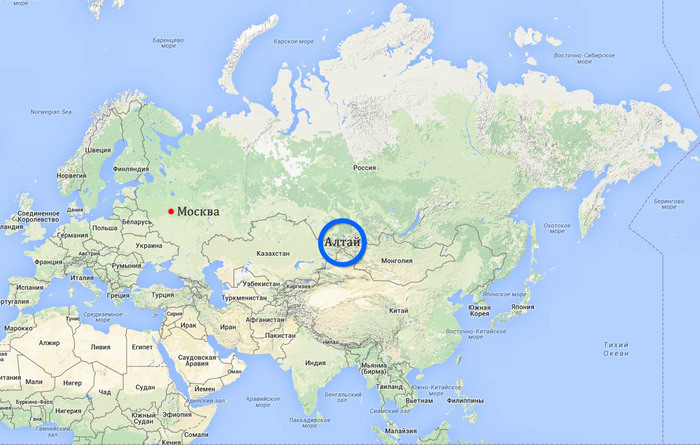
Peskov explained that the centre of the Turkic world is not in Turkey. "It is on the territory of the Russian Federation, in Altai, in that sacred place for any Turk where they came from. This is what I say as a Turkologist," president's press secretary identified.
According to the map, in addition to the regions of southern Russia, the "Turkic World" includes Eastern Siberia, as well as Azerbaijan, Kazakhstan, the Balkans, Kyrgyzstan, Uzbekistan, Xinjiang Uygur Autonomous Region of China, part of the territories of Mongolia, and Iran.
Recall that in February, the Turkish state TV channel TGRT showed a map of Russia with a forecast of the expansion of Ankara's zone of influence to the south of Russia. According to the TV report, it is assumed that by 2050 it will include the countries of North Africa, the Middle East, the former USSR, and regions of southern Russia, including the Crimea, Kuban, Rostov region, and regions of the North Caucasus.
The expansion of Turkey's influence, shown on the map shown on the air, does not pose a threat to Russia, Vladimir Dzhabarov, the first deputy chairman of the Federation Council committee on international affairs, explained at the time. “It seems to me that such information is deliberately thrown in to see the reaction. But we will not react to it. We have normal relations with Turkey, we are partners in many ways. I don’t think that anyone seriously suggests that the Turks can strengthen its influence over the regions of the Russian Federation," he stated.
Doubt that Turkey can significantly influence Russia in the future, was also expressed in February by the head of scientific research of the Dialogue of Civilisations Institute, orientalist Alexei Malashenko. “I don’t even know who this propaganda is designed for. The Turkish population is indifferent.”