Aserbaidschans Friedenstruppen bleiben in Afghanistan 
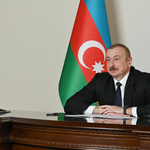
Bildrechte: mod.gov.az

Aserbaidschans Friedenstruppen bleiben in Afghanistan 

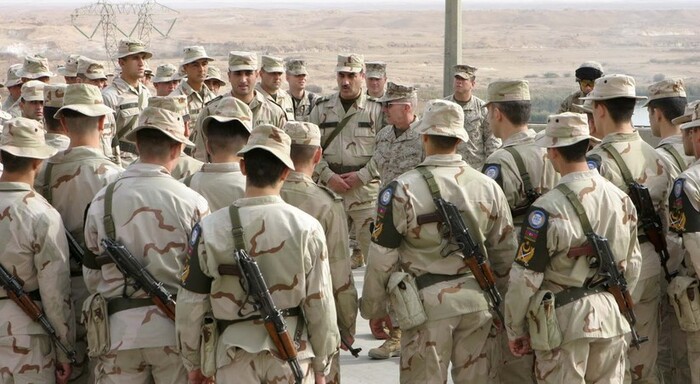
Auch nach der Übernahme der afghanischen Hauptstadt durch die Taliban werden aserbaidschanische Friedenstruppen in Kabul bleiben. Dort überwachen sie gemeinsam mit dem türkischen Kontingent den Kabul-Flughafen, der zurzeit eine Schlüsselrolle bei der Evakuierung der ausländischen Truppen und ihrer lokalen Helfer, Diplomaten sowie  afghanischen Regierungsbeamten spielt.

Es wird nicht bekannt gegeben, wann die 120 aserbaidschanischen Soldaten aus Afghanistan abgezogen werden würden. Diese Entscheidung soll offenbar in enger Absprache mit der Türkei getroffen werden.

Die Zahl der aserbaidschanischen Friedenssoldaten, die in der Resolute-Support-Mission in Afghanistan dienen, wurde am 9. Januar 2018 von 94 auf 120 erhöht, gemäß der Änderung der Resolution „Über die Zustimmung zur Entsendung eines Zuges der Streitkräfte der Republik Aserbaidschan als Teil des Bataillons der Streitkräfte der Republik Türkei und unter dem allgemeinen Kommando der NATO-Strukturen und zur Teilnahme an den entsprechenden Operationen in Afghanistan” durch das aserbaidschanische Parlament am 29. Dezember 2017.

3856 Mal angesehen

ARTICLES IN ENGLISH»


MEISTGELESEN


AKTUELLES


OPINION


Call for Contributors: Caucasus Watch is looking for experts, journalists and fact-checking specialists!

“Caucasus Watch” is seeking local specialists from Georgia, Armenia, Azerbaijan and the North Caucasus region, to assist our research endeavours and help enrich our content.

“Caucasus Watch” is an independent platform, which provides coverage of recent developments in various locations of the Caucasus region for the German and overall European stakeholders. We are an international team of Caucasus enthusiasts and are currently looking for local contributors who focus on social, economic, political and security dynamics of the said region.

The platform offers: I) a flexible format of cooperation, as well as competitive remuneration; II) access to English and German speaking readership in the wider European region; III) an opportunity to join the network of regional specialists through the initiatives and events to be organized by the Caucasus Watch and partner institutions.

Interested individuals are asked to provide a CV and a cover letter along with an abstract or a writing sample (in English or German), to the following address: redaktion@caucasuswatch.de.

Additional questions can be directed to Igor Dostalik through: i.dostalik@caucasuswatch.de.