On July 14, clashes between Armenian and Azerbaijani troops continued at the border. There are numerous victims on both sides, including high-ranking officers.
Azerbaijan has lost a major general, a colonel, two majors and three other soldiers. Armenian forces recently admitted the loss of a total of four soldiers, including a major and a captain.
Neither side provided any information about territorial gains along the border. The current fighting is more of an exchange of destructive artillery strikes, which both sides regularly record with drones to present it to the public. Both Armenia and Azerbaijan reported shooting down enemy drones.
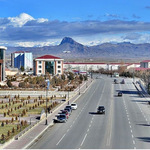
Azerbaijan reported a civilian casualty in the Azerbaijani province of Towus caused by the Armenian armed forces. It is a 76-year-old villager. In addition, several houses were damaged. Armenia announced today that the gas supply in several border villages had broken down: the gas pipes had been damaged as a result of Azerbaijani artillery bombardment.
The international reactions to the escalation of violence have so far been moderate. NATO has supported the OSCE Minsk Group's appeal to Armenia and Azerbaijan to take all necessary measures to de-escalate the conflict.
The war is not only waged on the ground, but also on the Internet. On July 14, dozens of Armenian government sites were attacked by Azerbaijani hacker groups, including the Prime Minister's website. Several Azerbaijani news sites have also been exposed to cyberattacks by Armenian hackers.
The border clashes between Armenia and Azerbaijan started on July 12th. Both countries provide conflicting reports on who is responsible for the outbreak of violence.
The conflict between Armenia and Azerbaijan over the Nagorno-Karabakh region is a legacy of the collapse of the USSR. Under international law, the region belongs to Azerbaijan, but it was mostly inhabited by Armenians during the breakdown of the Soviet Union. In the course of a bloody war in the 1990s, ethnic Azerbaijanis were driven out of the region and the seven surrounding Azerbaijani territories. There has been a fragile ceasefire between the countries since 1994. The international community is represented in the so far unsuccessful conflict mediation through the Minsk Group of the OSCE, which received its mandate from the United Nations.