On June 3, the Council of Europe’s anti-corruption body (GRECO) published its annual report for 2019 examining how its Member States have been implementing GRECO’s recommendations on the prevention of corruption among parliamentarians, judges and prosecutors.
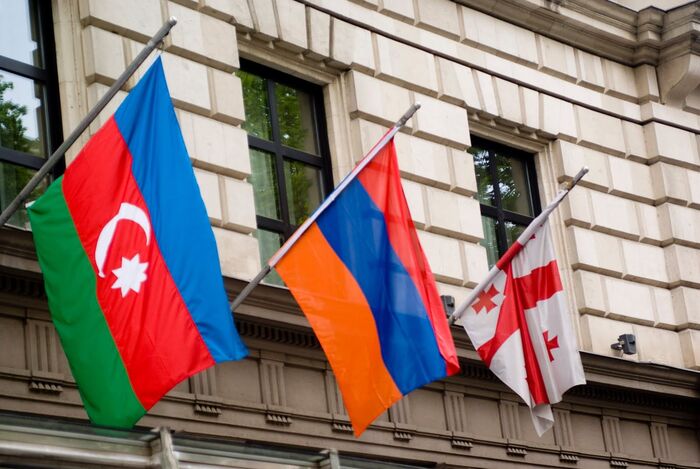
According to the report, Armenia implemented all 24 recommendations issued by GRECO. Nine recommendations were fully implemented (37,5%) and 15 were partially implemented (62,5%).
Azerbaijan fully implemented 13 of 21 recommendations (61,9%). Five recommendations were partially implemented (23,8%) and 3 were not implemented (14,3%).
Georgia fully implemented 7 of the 18 recommendations (39%). Eight recommendations had been partially implemented (44,4%) and 3 recommendations had not been implemented (16,7%).
In all three South Caucasus countries the implementation of anti-corruption measures on parliamentarians had the lowest score (Armenia 14,3% fully implemented; Azerbaijan 50%; Georgia 25%) of all the three fields.
GRECO’s President Marin Mrčela especially expressed concern about widespread corruption allegations in many countries concerning persons in charge of public institutions in recent years. “No person, state or institution is immune to corruption. Politicians, irrespective of their political affiliation, need to lead by example and it is exemplarity which is expected of them. Politicians are meant to serve, not to rule, the people,” he said.
In 2019, compliance with GRECO recommendations under the 4th evaluation round (slightly) increased: 35% of recommendations had been fully implemented by the end of year. The recommendations with the lowest level of compliance continued to be those issued in respect of parliamentarians (26%), whilst it was higher in respect of judges (36%) and prosecutors (47%). “This explains to a large extent why people’s trust in politics is very low and will be even lower if politicians don’t step up their compliance with integrity standards,” he added.
The report outlined that GRECO continued to make progress in the evaluation of the prevention of corruption in governments and law enforcement agencies. The CoE agency often found shortcomings in the way countries dealt with lobbying, conflicts of interest and “revolving doors” in central governments, including the need to extend anti-corruption measures to advisers. GRECO’s recommendations on law enforcement agencies referred mostly to codes of conduct, promotion and dismissal, conflicts of interest, post-employment restrictions and whistleblower protection.