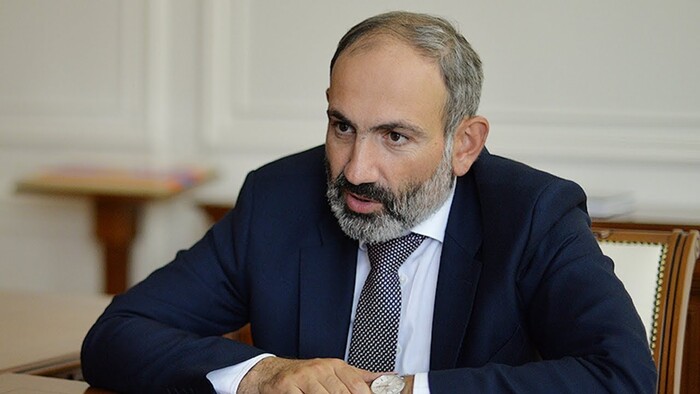
On 27 August, the Armenian Prime Minister Nikol Pashinyan, spoke about the Nagorno-Karabakh conflict at the annual gathering of his country’s diplomats (Caucasus Watch reported).
“Just as Azerbaijan seceded from the USSR, so Karabakh seceded from Azerbaijan and this should not be considered strange. If the President of Azerbaijan makes uncompromising aggressive statements, it will not be surprising if such statements are voiced by Armenia and so on,” he said.
He stressed that he was surprised by the situation surrounding the conflict, that he inherited from his predecessors, and its perception by the international community. “Not only at international venues, but also we ourselves often forget the cause-effect relationships and the political and legal nuances of the conflict. This is often felt at different international venues when discussing the Nagorno-Karabakh conflict and even during negotiations within the framework of the OSCE Minsk Group," he continued.
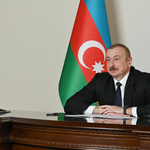
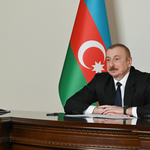
The Azerbaijani Ministry of Foreign Affairs responded to this statement, naming three reasons why it was false.
“Firstly, the status of Nagorno-Karabakh as an autonomous region within the Soviet Republic of Azerbaijan was enshrined in the USSR Constitutions of 1936 and 1977, and the territory of the Union Republic could not be changed without its consent. In connection with the unlawful actions of Armenian nationalists aimed at tearing Karabakh away from the Soviet Azerbaijan, the Supreme Court of the USSR in its decisions unequivocally recognized the impossibility of changing the existing borders. Thus, attempts to tear off Nagorno-Karabakh from the Azerbaijan SSR were accompanied by an obvious violation of the Constitution of the USSR and, therefore, did not give rise to any legal consequences.”
“Secondly, the USSR Law “On the Procedure for Solving Issues Related to the Exit of a Union Republic from the USSR” of 3 April 1990, which the Armenian side often refers to, aimed at regulating relations within the USSR by establishing a certain procedure that allies should follow Republic in the event of secession from the Union. The exit of a Union republic from the USSR could be considered completed only after passing through a complex multistage procedure and, ultimately, the adoption of an appropriate decision by the Congress of People's Deputies of the USSR. However, the mentioned Law was never applied, and not a single union republic, including Azerbaijan and Armenia, took advantage of the exit procedure provided for in it.”
“Thirdly, after the collapse of the USSR, Azerbaijan joined the UN, as well as other international organizations, within its administrative borders of the times of the USSR, which, accordingly, were recognized by the world community as the international borders of the Republic of Azerbaijan. Unlike what Armenia claims, the states that signed the Almaty Declaration of December 21, 1991 on the goals and principles of the Commonwealth of Independent States, including Armenia, committed themselves to recognize and respect the territorial integrity of each other and the inviolability of existing borders,” concluded the statement.